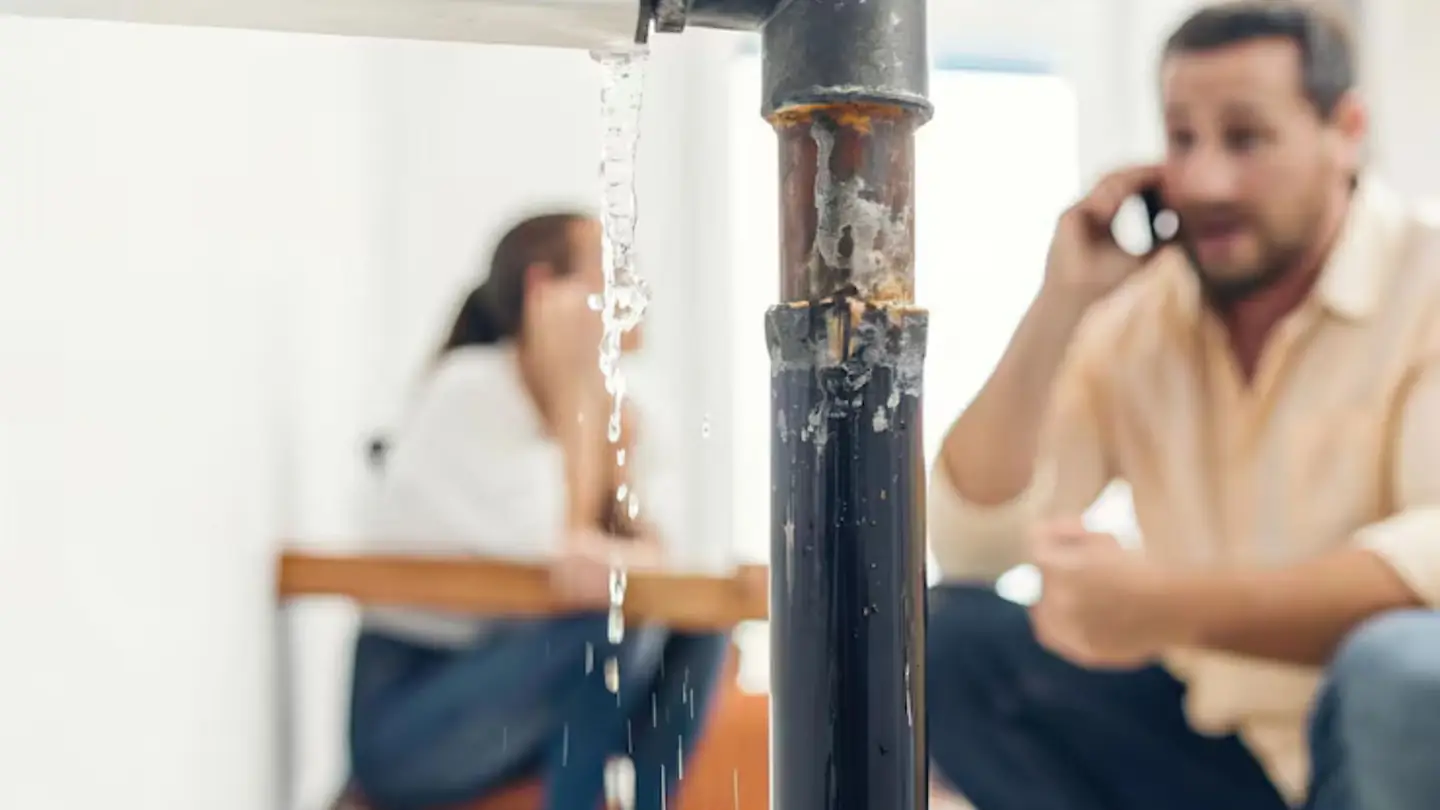
Start with where the water is coming from
Before anyone argues about responsibility, work out which side of the meter the problem sits on. Water that is leaking from the city's main or from the service line before it reaches the building is a utility matter. Water that is leaking from pipes, fixtures, the water heater or the roof inside the building is a building matter.
In The Colony, the city-owned water utility supplies most homes from five city wells plus treated surface water purchased from Dallas Water Utilities, according to the city's water quality report. A small part of Austin Ranch is supplied by the City of Plano instead. If water is bubbling up in a yard, parking lot or street, call the city's water and sewer emergency line, which has separate business-hour and after-hours numbers listed on the city's website.
Who usually handles what
Practices differ by lease and by property, and this is not legal advice. The cards below show the common split so you know what to expect when you call the office or the owner.
The landlord or owner usually handles
Stopping a building-side leak, repairing pipes, roofs and water heaters, and restoring the structure: drywall, flooring, ceilings, cabinets. The owner's property insurance normally covers the building.
You usually handle
Your own belongings and your own policy: furniture, clothes, electronics, bedding. Also any damage you or a guest caused, which may raise a liability question under your renter's policy.
You report
Written notice with dates and photos, as soon as you see the problem. A phone call alone leaves nothing to point to later.
You both keep
Receipts, repair orders, drying logs and every message about the event. Both sides may need them for their own insurers.
Talk to dispatch
Describe what you see and we will tell you what happens next, in plain words, before any work starts.
Your first hour, in order
- If water is near outlets, panels or appliances, stay out of it and call the utility or 911 for any electrical or gas risk before anything else.
- Shut off the fixture valve or the unit's main water shutoff if you can reach it safely. If you cannot find it, tell the office or owner right now.
- Photograph the source, the wet areas and your damaged belongings, wide and close.
- Move valuables and small furniture to dry spots, and lift anything that can wick water from the floor.
- Send the landlord or property manager a written report the same day: what happened, when you noticed it, what you have shut off, attach photos.
- Call your own insurer. Ask what your policy covers for belongings and additional living expenses, and what notice deadlines apply.
Put it in writing, even when the office already knows
A text or an email creates a timestamp, and a portal request does the same. Be factual: the date, the location in the unit, the visible damage and what you did to limit it. Avoid blame, speculation about causes and promises about what you will pay.
Follow up if there is no response, and keep a short log of repair visits and who came. If dryout is delayed for days, say so in writing, because wet drywall and carpet pad do not improve while the paperwork moves.
Lease clauses worth reading today
Skim these before something goes wrong. A fifteen minute read of the lease is faster than any argument over a ruined ceiling, and it tells you what to cite in your written report.
- Who must be notified of a leak, how (portal, email, certified mail) and how fast
- Whether the lease requires renters insurance and sets minimum liability limits
- Rules on unauthorized repairs or alterations to the unit
- How rent, relocation or a temporary unit is handled if the home is unlivable
- Pet, water bed and washing machine provisions that may affect fault
When the landlord does nothing, or the repair lingers
Check your lease first, since it spells out notice procedures and repair responsibilities. A tenant resource organization or an attorney can explain your rights under Texas law for your actual situation, and this article cannot. Do not withhold rent or arrange major repairs on your own before getting that advice.
You can still protect your belongings and your health by documenting conditions, keeping your insurer informed and asking whether the landlord will authorize professional drying. For emergency extraction in an occupied unit, emergency water removal crews can work alongside the owner's approval.
Repair work and who orders it
After drying, rebuilding wet drywall, flooring and cabinets is water damage repair, and the owner generally chooses and pays for that work on the building. Renters should not tear out or replace fixtures themselves without written approval, since it can cloud the insurance picture.
Our crews also serve Carrollton and Little Elm, where rental communities face the same questions. The dispatch line stays open 24/7, with same-day response when available.
Local note
Renters in The Colony and the city's utility lines
Census QuickFacts puts the owner-occupied rate at 59.8 percent, so roughly four in ten households here rent. That makes the landlord-renter handoff a common experience, not an edge case, and it is worth knowing your building's emergency contact before anything breaks.
The city's published utility contacts split into business-hour and after-hours lines for water and sewer problems. Save both in your phone, because a street-side main break and an in-unit pipe burst need different calls, and the city can only help with the first kind.
Frequently asked questions
Who pays when a pipe bursts in my rental?
Usually the owner handles the building, including pipes and the structure, and your renter's policy handles your belongings. Your lease controls the details, so read it and ask a tenant resource organization or an attorney if there is a dispute.
Should I call the landlord or my insurance company first?
Do both on the same day, landlord first in writing. Your landlord needs to stop the leak and start drying, while your insurer needs notice on your belongings. Safety hazards such as electrical risk come before either call.
Can a landlord make me pay for water damage?
Possibly, if the damage came from something you or a guest did, such as an overflowing tub left running. Liability coverage in a renter's policy may respond. For anything contested, get advice from a tenant resource or an attorney.
Can I hire a restoration company myself in a rental?
In an emergency you can take protective steps like stopping the water and removing standing water, but major work on the building should be approved by the owner. Ask in writing, and keep every invoice.
Does the city fix a leak inside my unit?
Generally no. The city deals with its mains and service lines, and plumbing inside the building is the owner's concern. If you are unsure which side the leak is on, call the city's water and sewer emergency line and describe what you see.
What happens if my apartment community has several affected units?
Expect the property manager to coordinate drying and repair across units. Report your own unit in writing anyway, ask for a schedule, and photograph your belongings in case your own insurer needs them.