Know your deadline before you do anything else
The Texas Department of Insurance advises reporting hidden or newly found water damage within days of first seeing it. Policy deadlines vary, with some as short as days and some as long as a year, so do not guess. Read the claims section of your policy or ask your agent today.
Flood is on a stricter clock. Flood losses fall outside most home and renters policies, though a few include them. Holders of a National Flood Insurance Program policy get 60 days to file. For any other policy, the advice is to call as soon as possible, because late notice is a common reason claims run into trouble.
The ordered checklist
Follow these in sequence. Each step protects the next one.
- Make it safe: avoid standing water near panels, outlets or appliances, and call the utility or 911 for electrical or gas risk.
- Stop the water. Close the fixture valve or the main valve. Insurers may deny a claim if you do not protect the property from further damage.
- Photograph and video before you touch anything, then again after you move belongings.
- Call your insurer or agent. Note the date, the representative, and the claim number.
- Start temporary protection: extract standing water, run fans if safe, tarp a roof opening. Keep receipts.
- Keep damaged items for the adjuster to see. Do not throw out carpet or furniture until told you can, unless it poses a hazard.
- Make no permanent repairs until the insurer has inspected.
- Get a written drying and repair scope from a restoration company and send it to the adjuster.
- Track every conversation, email and invoice in one folder.
Talk to dispatch
Describe what you see and we will tell you what happens next, in plain words, before any work starts.
What to photograph, keep and ask
| Category | Photograph or record | Keep | Ask |
|---|---|---|---|
| The source | Burst pipe, failed hose, roof opening, appliance | The failed part if you can safely store it | Is the cause covered as sudden and accidental? |
| Structure | Ceilings, walls, floors, baseboards, insulation | Moisture readings and drying logs | How does the policy handle tear-out needed to dry the structure? |
| Contents | Furniture, electronics, rugs, clothing, with serial numbers | Damaged items until the adjuster looks | What documentation do you want for each item? |
| Emergency costs | Equipment on site, crew at work | All receipts, invoices, and tarp or board-up bills | Will temporary repairs be reimbursed? |
| Living situation | Rooms that cannot be used | Hotel and meal receipts | Does my policy include additional living expenses, and for how long? |
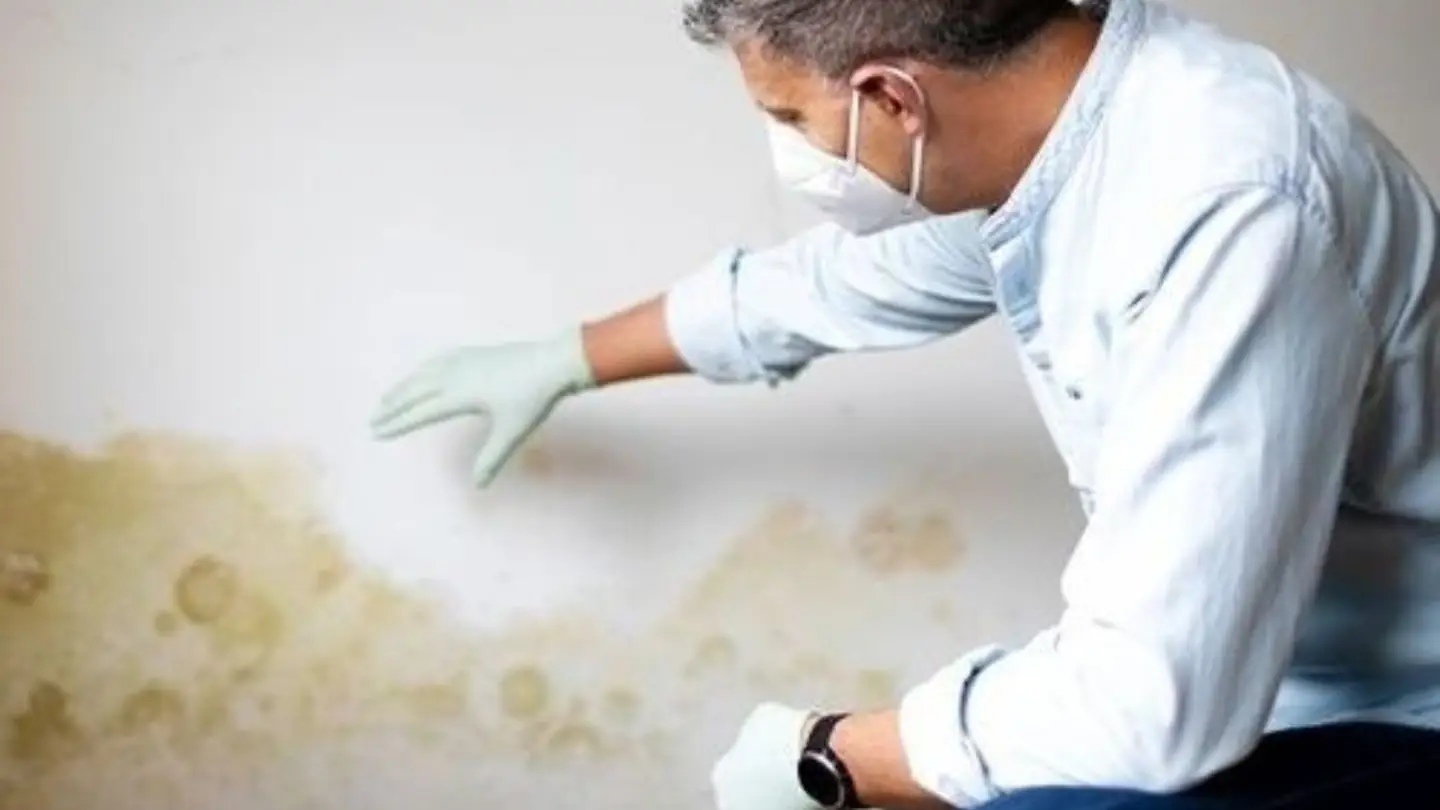
| Mold | Any visible growth, with a scale reference | Notes on when you first saw it | Does my policy include mold coverage, or is it excluded? |
Never assume approval. The adjuster and your policy decide what is paid.
Why drying and the claim have to move together
Insurers expect you to limit further damage, and a wet structure left alone gets worse. Water mitigation with moisture meters, thermal imaging and dehumidification produces a written record of what was wet, what was dried and when readings reached the dry standard. That log helps explain why tear-out was needed.
Ask the restoration company to send documentation to you in a form you can forward. Your adjuster may require the insurer's own inspection first, so coordinate timing instead of waiting until work is finished.
Writing the account of what happened
Most claims start with a short statement, so draft yours while details are fresh. State the date and time you noticed the water, where it was, what you shut off, and what you moved. Stick to what you saw and avoid guessing at causes you cannot confirm.
Keep a running timeline in a note on your phone: who you called, when the crew arrived, when equipment went in, when it came out. A clean timeline lets an adjuster follow the loss without calling you back three times.
Mold and claims
Paying for mold cleanup or testing is not a given. The Texas Department of Insurance points out that coverage must have been added to the policy, and mold from gradual leaks or flood is usually excluded. If mold appears, a mold professional must be state-licensed and provide a certificate.
That is another reason to report quickly. Mold found weeks after an unreported leak invites questions about whether the loss was gradual.
Rebuild, repairs and the city permit angle
Once the insurer has inspected, water damage repair begins: replacing drywall, insulation, flooring and cabinets. A permit is needed in The Colony before you add to, alter or repair an existing building, and also for plumbing, electrical or mechanical work. Since October 2025, roof replacement, siding replacement and foundation repair also need permits.
Water damage repair is not singled out on the city's building page, so contact the permit office at City Hall on Main Street and ask whether your scope needs a permit. Your contractor should know. Another useful check is the contractor registration page on the city website.
Nearby areas and who to call
Our crews also serve Lewisville and Carrollton, and homeowners there follow the same documentation rules. The dispatch line is staffed around the clock, with same-day response when available.
Local note
Local context for claims in The Colony
Denton County was designated for individual assistance and public assistance under FEMA declaration DR-4586 for the February 2021 severe winter storms. For anyone filing a freeze damage claim, that history is a reminder to move on deadlines and documentation, since the area's climate normals include an average of 29 freezes per season.
The Colony's Building Inspections and Permits office is at 6053 Main Street. Before a rebuild begins, a short call there can save a stalled project, because work done without a required permit is a problem you do not want to meet after the claim closes.
Frequently asked questions
How soon should I report water damage to my insurer?
As soon as possible. The Texas Department of Insurance advises reporting within days of first seeing hidden damage, and policy deadlines vary. If it is a flood claim under an NFIP policy, you have 60 days.
Should I fix things before the adjuster arrives?
Make temporary repairs to prevent further damage and keep receipts, but make no permanent repairs until the insurer has inspected. Photograph before repairs begin and keep damaged items.
Will my claim be approved?
No one can promise that. Approval depends on your policy, the cause of the loss and the adjuster's findings. Sudden and accidental events are often covered, and gradual leaks and flood usually are not.
Does homeowners insurance cover flood?
Most do not. The Texas Department of Insurance says a few policies include flood, but most need a separate flood policy.
Does repairing water damage in The Colony require a permit?
That turns on the scope of the work. Cosmetic patching is a different matter from touching pipes or wiring, so describe your plan to the city's permit office before you start.
What if the adjuster's estimate looks too low?
Ask for the itemized scope, compare it to your contractor's written scope and photographs, and raise the differences in writing. Your policy explains the dispute process, and your agent can help you follow it.